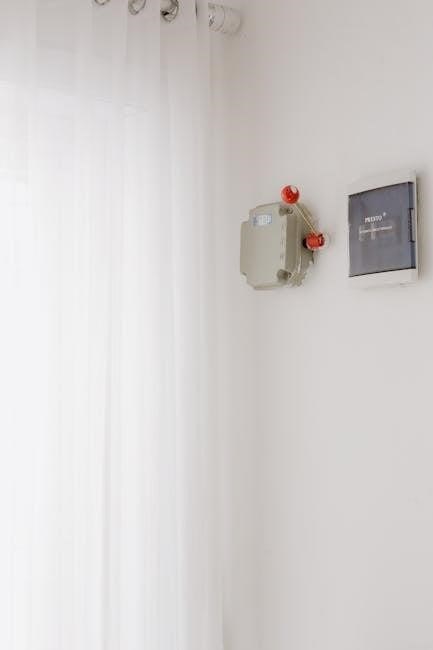
Silent Knight 6820 Manual: A Comprehensive Guide
This manual details the Silent Knight 6820 fire alarm control panel‚ covering installation‚ programming‚ operation‚ and maintenance for optimal system performance and safety.
The Silent Knight 6820 is a versatile‚ addressable fire alarm control panel designed for a wide range of applications‚ from small commercial buildings to large‚ complex facilities. This manual provides comprehensive guidance for installers‚ technicians‚ and end-users‚ ensuring proper system setup‚ operation‚ and maintenance. It’s crucial to understand the panel’s capabilities to maximize fire safety and minimize false alarms.
The 6820 offers advanced features like zone mapping‚ event logging‚ and flexible programming options. Its robust design and reliable performance make it a trusted choice in the fire protection industry. This guide will walk you through each step‚ from initial installation and wiring to advanced programming and troubleshooting. Familiarizing yourself with the panel’s components and functionalities is essential for effective fire safety management.
System Overview and Components
The Silent Knight 6820 system comprises several key components working in harmony to provide reliable fire detection and notification. These include the main control panel‚ addressable initiating devices (smoke detectors‚ heat detectors‚ pull stations)‚ notification appliances (horns‚ strobes)‚ and a battery backup system for power outages. The panel’s central processing unit (CPU) manages all system functions‚ monitoring device status and responding to alarm conditions.
Additional components may include remote annunciators for displaying system information in remote locations‚ and communication modules for transmitting alarm signals to a central monitoring station. Understanding the function of each component and how they interact is vital for effective system maintenance and troubleshooting. Proper installation and configuration of these elements ensure optimal performance and adherence to fire safety codes.

Installation and Wiring
Proper installation and wiring are crucial for the Silent Knight 6820’s reliable operation‚ adhering to all national and local electrical codes and standards.
Panel Mounting and Physical Installation
Securely mounting the Silent Knight 6820 panel is paramount for long-term stability and functionality. Choose a location that is easily accessible for maintenance‚ yet protected from physical damage and environmental factors like extreme temperatures or moisture. The enclosure should be mounted on a solid surface‚ utilizing appropriate hardware for the wall type – ensuring it can support the panel’s weight‚ plus any added components.
Maintain adequate clearances around the panel for proper ventilation and wiring access. Refer to the detailed dimensional drawings in the manual for specific mounting requirements and knockout locations. Before commencing wiring‚ verify the panel is properly grounded according to local electrical codes. Carefully inspect the enclosure for any damage incurred during shipping and handling‚ and address any issues before proceeding with installation.
Always de-energize the circuit before making any connections.
Wiring Diagrams and Conventions
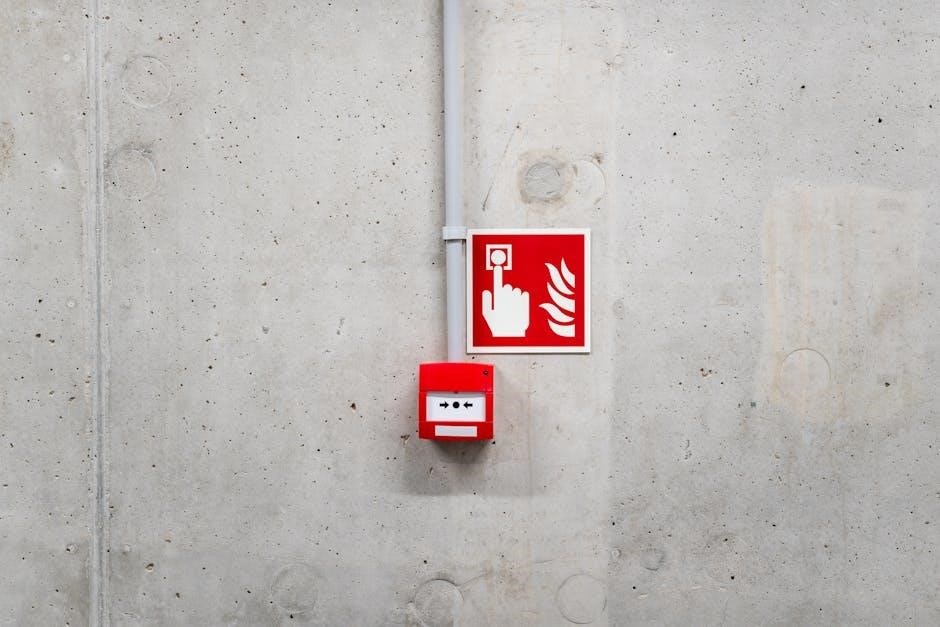
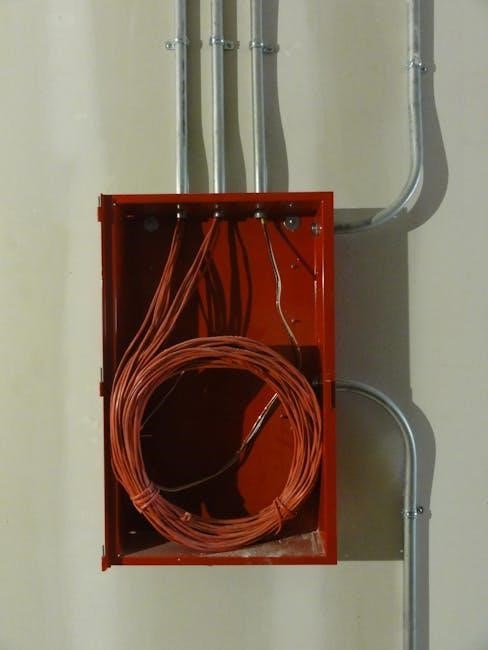
The Silent Knight 6820 utilizes standardized wiring conventions for consistent and reliable system operation. Detailed wiring diagrams are provided within this manual‚ illustrating typical configurations for various initiating devices‚ notification appliances‚ and communication modules. Always adhere strictly to these diagrams to prevent malfunctions and ensure proper system functionality.
Understanding wire color codes is crucial; typically‚ red signifies power‚ black is common‚ and yellow represents initiating device circuits. However‚ always verify specific wire designations within the diagrams. Employ proper wiring techniques‚ including using appropriately sized wire gauges and secure terminations‚ to minimize resistance and prevent signal degradation.
Pay close attention to polarity when connecting power supplies and other DC-powered devices. Incorrect wiring can cause damage to the panel or connected components.
Device Circuit Supervision
The Silent Knight 6820 panel provides comprehensive device circuit supervision‚ continuously monitoring the integrity of all wiring connected to initiating and notification devices. This feature detects open circuits‚ short circuits‚ and ground faults‚ immediately alerting personnel to potential issues. Regular supervision ensures the system’s reliability and responsiveness in emergency situations.
Each zone is individually supervised‚ allowing for precise identification of the location of a fault. The panel displays specific trouble indicators‚ pinpointing the affected circuit or device. Addressing these faults promptly is critical for maintaining system integrity.
End-of-line (EOL) resistors are essential for proper supervision. Ensure the correct resistance value is used for each circuit‚ as specified in the programming section of this manual.
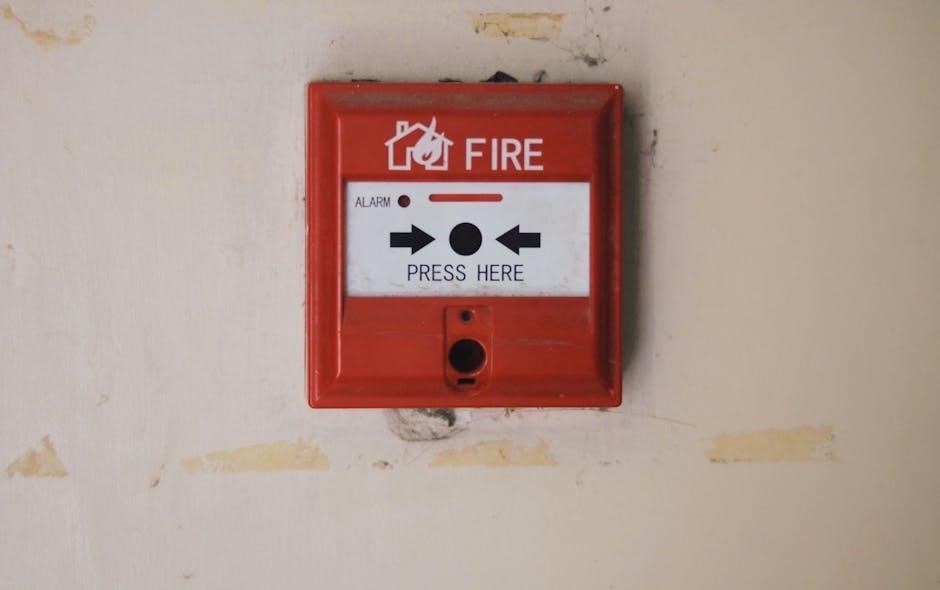
Programming the 6820 Panel
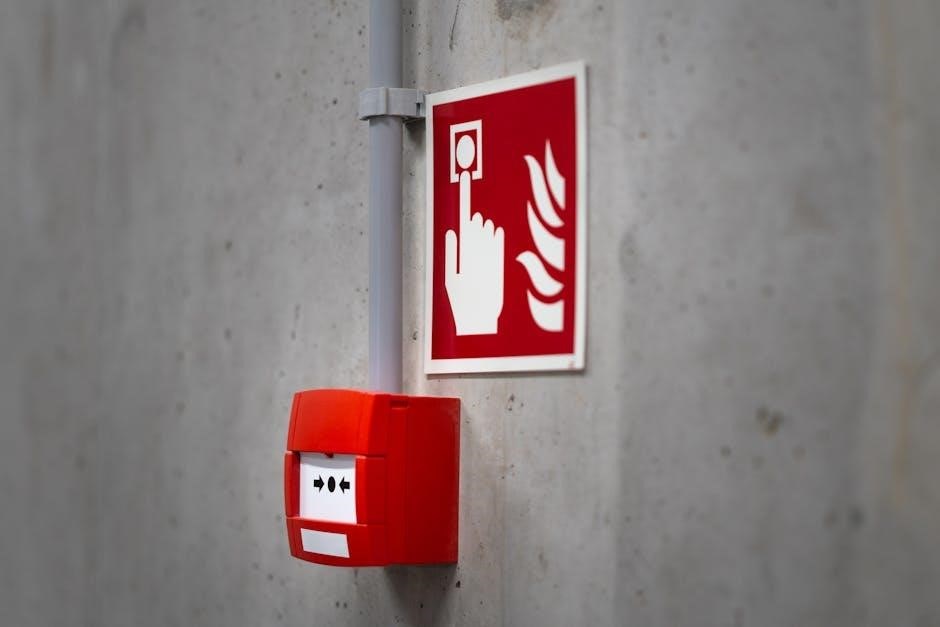
Configure the 6820 panel through a user-friendly interface‚ customizing zone definitions‚ system constants‚ and operational parameters to meet specific site requirements and safety codes.
Entering Programming Mode
Accessing the programming functions of the Silent Knight 6820 requires a specific sequence to prevent accidental alterations to the system configuration. Typically‚ this involves utilizing the panel’s keypad and navigating through a series of menus. Begin by ensuring the panel is in a non-alarm state and that you possess the appropriate access code‚ often designated as the “Installer Code.”
Press and hold the “Enter” key while simultaneously entering the four-digit Installer Code. Upon successful entry‚ the display will transition to the programming mode prompt. If an incorrect code is entered multiple times‚ the system may initiate a lockout period‚ requiring a delay before further attempts are permitted. Refer to the full manual for specific code defaults and lockout procedures. Once in programming mode‚ utilize the arrow keys to navigate the various programming options‚ carefully reviewing each setting before making changes.
Zone Programming and Configuration
Zone programming within the Silent Knight 6820 is crucial for defining how the system responds to alarm activations from specific detection devices. Each zone represents a physical area or circuit within the protected premises. Configuration involves assigning a descriptive name to each zone (e.g.‚ “Front Entrance‚” “Server Room”)‚ and selecting its operational characteristics.
Key settings include the zone type – normally open‚ normally closed‚ or latching – which dictates how the panel interprets signals. You’ll also define sensitivity levels‚ cross-zoning options (requiring multiple zones to activate for an alarm)‚ and alarm/trouble relay assignments. Proper zone configuration ensures accurate alarm identification and minimizes false alarms. Detailed zone maps and device listings are essential during this process. Remember to save all changes after completing the zone programming sequence.
System Constants and Global Settings

System constants and global settings within the Silent Knight 6820 define the overall operational behavior of the fire alarm control panel. These settings impact the entire system‚ rather than individual zones. Key parameters include the communication baud rate for off-site monitoring‚ the walk test timer duration‚ and the alarm verification settings.
Global settings also control features like the automatic silence switch functionality‚ the panel’s date and time display‚ and the sensitivity of trouble condition alerts. Adjusting these constants requires careful consideration‚ as incorrect values can compromise system reliability. Always document any changes made to these settings and adhere to local fire codes. Proper configuration ensures consistent and predictable system performance across all zones and devices.
System Operation and Features

The Silent Knight 6820 offers robust alarm indication‚ system reset capabilities‚ and reliable battery backup‚ ensuring continuous operation during power outages.
Alarm Indication and Response
Upon detecting an alarm condition‚ the Silent Knight 6820 panel provides clear and immediate indication through its integrated annunciator and remote notification capabilities. The system utilizes both audible and visual signals to alert occupants‚ including distinct tones for fire‚ tamper‚ and trouble conditions.
The panel’s response is highly configurable‚ allowing for programmed sequences such as activating notification appliance circuits (NACs) to sound horns and strobes‚ initiating communication with a central monitoring station‚ and unlocking doors for egress. Zone identification displays pinpoint the location of the alarm‚ facilitating rapid response by emergency personnel.
Sensitivity adjustments and cross-zoning features minimize false alarms while maximizing system reliability. Detailed event logging provides a comprehensive history of all alarm activations‚ system events‚ and maintenance activities‚ aiding in post-incident analysis and troubleshooting. Proper configuration ensures a swift and effective response to any detected emergency.
System Reset and Troubleshooting
Resetting the Silent Knight 6820 panel after an alarm requires understanding the system’s latching and non-latching configurations. A manual reset‚ typically initiated via a key switch or authorized user code‚ clears the alarm condition and restores the system to normal operation. However‚ some zones may require a supervisory reset after addressing the initiating device.
Troubleshooting involves utilizing the panel’s diagnostic features‚ including zone status indicators‚ trouble codes displayed on the LCD‚ and event logging. Common issues like ground faults‚ open circuits‚ and low battery conditions are easily identified through these tools.
Referencing the comprehensive troubleshooting guide within this manual‚ alongside online resources‚ assists in resolving more complex problems. Always prioritize safety and consult a qualified technician for repairs involving electrical components or programming modifications. Regular testing and maintenance minimize the likelihood of system failures.
Battery Backup and Power Supply
The Silent Knight 6820 relies on a robust power supply with integrated battery backup to ensure uninterrupted operation during power outages. The system is designed to automatically switch to battery power upon AC loss‚ maintaining alarm monitoring and notification capabilities.
Regular battery testing is crucial; the panel provides diagnostic tools to assess battery health and remaining capacity. Batteries typically require replacement every 3-5 years‚ depending on environmental conditions and usage. Proper battery maintenance extends lifespan and reliability.
The power supply input accepts standard AC voltage‚ and the panel includes surge protection to safeguard against electrical spikes. Always verify correct voltage and polarity during installation. A dedicated circuit is recommended to prevent interference from other devices. Consult a qualified electrician for any power supply related concerns.
Advanced Features and Integrations
The Silent Knight 6820 offers remote access‚ integration with other security platforms‚ and supports diverse communication protocols like IP and serial connectivity.
Remote Access and Control
The Silent Knight 6820 panel facilitates comprehensive remote access and control capabilities‚ enhancing system management and responsiveness. Utilizing compatible communication modules‚ authorized personnel can monitor system status‚ acknowledge alarms‚ and even perform certain programming functions from a remote location. This feature proves invaluable for facilities managers overseeing multiple sites or for situations requiring off-site monitoring during emergencies.
Secure web-based interfaces and mobile applications provide intuitive access to critical system information. Users can view zone status‚ event logs‚ and historical data‚ enabling proactive maintenance and informed decision-making. Remote control functionalities allow for system resets and silencing of alarms‚ minimizing downtime and ensuring swift response. Robust security protocols‚ including encryption and user authentication‚ safeguard against unauthorized access and maintain system integrity.
Integration with Other Security Systems
The Silent Knight 6820 panel offers versatile integration options with a wide range of other security systems‚ creating a unified and comprehensive security infrastructure. It seamlessly interfaces with access control systems‚ allowing for coordinated responses to security breaches – for example‚ automatically unlocking doors upon fire alarm activation. Integration with video surveillance systems enables visual verification of alarms‚ reducing false positives and improving incident response times;
Furthermore‚ the 6820 supports communication with building automation systems (BAS)‚ facilitating automated actions like shutting down HVAC systems to prevent smoke spread. Utilizing industry-standard communication protocols‚ the panel can exchange data with other security devices and platforms‚ enhancing overall system awareness and control. This interoperability streamlines security management and provides a holistic view of facility security.
Communication Protocols (e.g.‚ IP‚ Serial)
The Silent Knight 6820 panel utilizes several communication protocols to ensure reliable and flexible connectivity. IP communication‚ via Ethernet‚ enables remote access for monitoring‚ programming‚ and reporting‚ facilitating off-site management and diagnostics. Serial communication (RS-485) provides a robust connection for local devices like annunciators and printers‚ ensuring dependable data transmission within the system.
Additionally‚ the panel supports various reporting formats‚ including SIA DC09‚ allowing seamless integration with central monitoring stations. These protocols enable real-time event notification and alarm verification. The 6820’s communication capabilities are designed for scalability and adaptability‚ accommodating diverse system configurations and future expansion needs‚ ensuring long-term reliability and functionality.

Maintenance and Testing
Regular inspections‚ battery checks‚ and functional tests are crucial for maintaining the Silent Knight 6820’s reliability and ensuring optimal system performance.
Regular Inspection Procedures
Consistent visual inspections are paramount for the Silent Knight 6820 system’s integrity. Examine the control panel for any physical damage‚ ensuring the enclosure is secure and free from obstructions. Verify that all wiring connections remain tight and appropriately labeled‚ checking for signs of corrosion or fraying. Inspect all initiating devices – smoke detectors‚ heat detectors‚ pull stations – for cleanliness and proper mounting.
Confirm that notification appliances (horns‚ strobes) are unobstructed and functioning correctly. Review the system’s event log for any recent alarms‚ troubles‚ or supervisory signals‚ documenting any findings. A detailed logbook should record all inspection dates‚ findings‚ and corrective actions taken. These procedures‚ performed routinely‚ contribute significantly to the system’s long-term reliability and adherence to fire safety codes.
Battery Testing and Replacement
The Silent Knight 6820 relies on battery backup during power outages; therefore‚ regular battery testing is crucial. Perform a load test at least annually‚ or more frequently in harsh environments‚ to assess battery capacity and health. Utilize a battery load tester to simulate a power failure and measure the voltage drop under load. Batteries failing to maintain specified voltage levels must be replaced immediately.
When replacing batteries‚ always use the manufacturer-recommended type and capacity. Disconnect the old batteries and carefully connect the new ones‚ observing proper polarity. After replacement‚ allow the batteries to charge fully before conducting another load test. Document all battery testing and replacement activities in the system’s logbook‚ ensuring a traceable history of battery maintenance.
Functional Testing of System Components
Thorough functional testing of all Silent Knight 6820 system components is essential to verify proper operation and ensure reliable fire detection. Initiate tests by activating each initiating device (smoke detectors‚ pull stations‚ etc.) individually and observing the corresponding alarm indication at the panel and remote notification appliances. Verify that the alarm signal is transmitted to the central monitoring station‚ if applicable.
Additionally‚ test all notification appliances (horns‚ strobes) to confirm audibility and visibility throughout the protected premises. Walk-test the system regularly‚ simulating various fire scenarios to assess response times and identify any potential issues. Document all test results‚ including dates‚ times‚ and any discrepancies found‚ in the system’s maintenance log.